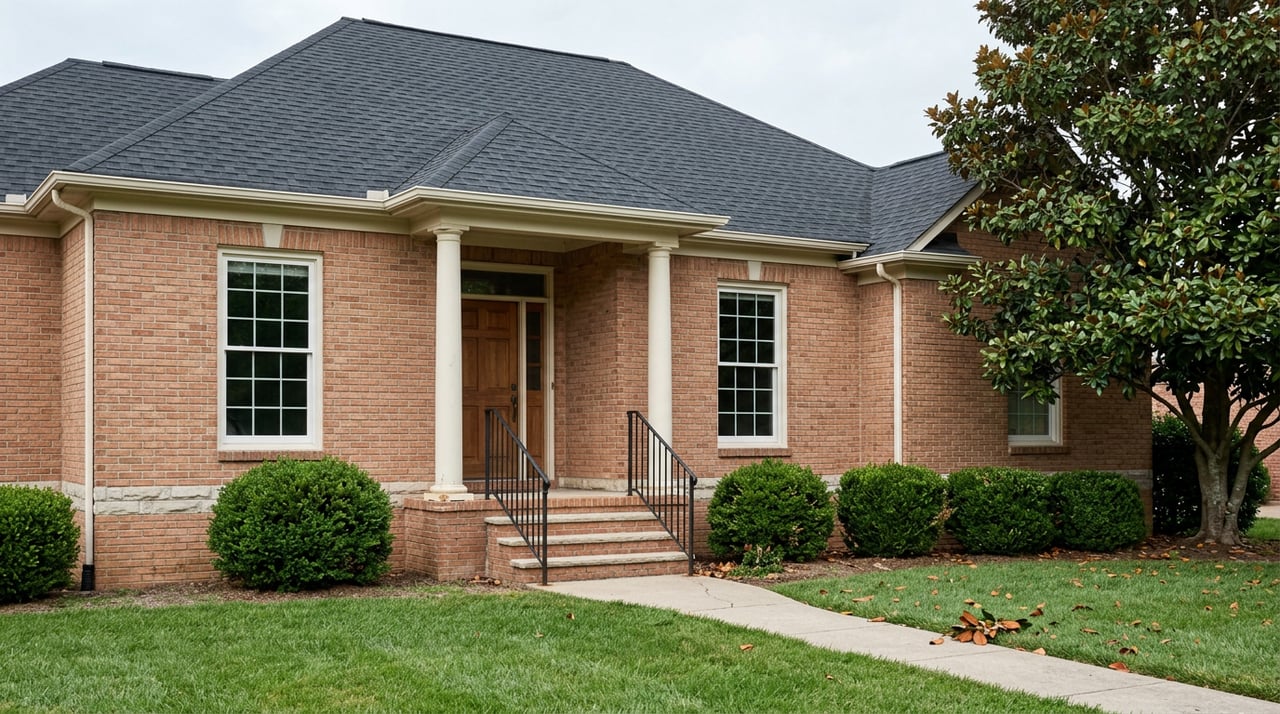
A Chenal Valley seller decides to freshen up before the photographer arrives. New coat of paint on the trim, maybe a different color at the front door, a few shrubs swapped out along the walkway. It may seem like the kind of weekend project that can be handled without checking association requirements first.
In Chenal Valley, check the ACC requirements before making exterior changes.
Exterior Changes and ACC Approval
Chenal Valley operates under an Architectural Control Committee, and its own governing documents are direct about what falls under its authority. Per the Chenal Valley Property Owners Association's FAQ page, exterior alterations to a home or its landscaping require an application to, and approval from, the ACC before any changes are made. Not after. Before.
Chenal Properties, which manages the ACC process, confirms just how routine this question is. On its own FAQ page for the committee, it lists the single most common question homeowners ask: whether they need approval to repaint their house. For sellers planning exterior work, checking the ACC process before scheduling paint work can help keep the listing timeline on track.
This matters most in the weeks before a listing goes live, when sellers are moving fast on cosmetic fixes to maximize first impressions. If the ACC process isn't part of that timeline, a seller can end up with finished work that technically needed sign-off it never got.
Who Actually Sits on the Committee
The ACC isn't a rubber stamp run by volunteers guessing at taste. According to Chenal Properties, the committee is made up of professionals in architecture, landscape architecture, civil engineering, and real estate, and its stated purpose is to protect property values by preventing incompatible or poorly executed changes. The FAQ page uses a plain example: a neighbor who wants to paint their house bright pink or purple would not get approved.
The practical advice from Chenal Properties is worth building into any pre-listing plan. Homeowners are encouraged to have plans ready before submitting an application, and they can contact an ACC member ahead of a full submission to get informal feedback on photos, images, or sketches before committing to a formal review.
For a seller working against a listing date, this is a detail worth planning ahead for. Reach out before the painter is scheduled, not after.
Two Associations, Two Bills, Two Liens
The ACC is part of a layered association structure. Chenal Valley isn't one homeowners association. It's a master association layered on top of one of more than 40 individual neighborhood associations spread across the development's 4,800 acres, and the Chenal Valley POA is explicit that residents pay dues to both.
| Chenal Valley POA (master) | Individual neighborhood POA | |
|---|---|---|
| Covers | Major street landscaping, streetlight maintenance, utilities, three parks and pools | Neighborhood entrance upkeep, common areas, local streetlight repairs |
| Billing | Sent end of January, due February 15 | Set independently by each neighborhood |
| Late payment | Lien fee plus administrative fee | Lien fee possible, per that neighborhood's own POA |
That last row is the one that catches people during a transaction. The Chenal Valley POA's FAQ confirms that both the master association and the individual neighborhood association can assess a lien for unpaid dues, which means a payoff check against one association doesn't clear the other. A title search or closing statement that only accounts for the master POA balance can still miss a lien sitting with the neighborhood-level association, especially since each one runs its own billing calendar rather than following the master POA's January mailing and February 15 due date.
For a buyer, this is a due diligence question worth asking directly rather than assuming the listing agent has already resolved. For a seller, it's a reminder to confirm both accounts, not just the one that sends the annual invoice first.
The Recorded Paper Trail Behind the Committee
None of this lives only in an association FAQ page. The ACC's authority is written into the recorded documents that run with the land. A Bill of Assurance filed with the City of Little Rock for the Mirabel Court neighborhood states plainly that no improvements may be placed on certain shared tracts unless first approved by the developer, the appropriate city agencies, the neighborhood's property owners association, and the Architectural Control Committee. That's not a courtesy policy. It's language recorded against the property.
The ACC's reach also shows up outside individual lots. A franchise ordinance that came before the Little Rock Board of Directors in March 2025 for Chenal Valley Drive defines landscaping in the public right of way as subject at all times to the approval of the Chenal Valley Architectural Control Committee, naming Potlatch Real Estate (formerly Deltic Timber) together with the Chenal Valley POA as the development's ongoing authority.
What This Means If You're Listing Soon
A little planning turns this from a risk into a non-issue. Before scheduling any pre-listing cosmetic work in Chenal Valley:
- Confirm whether any exterior change made since your purchase, fencing, a patio, a repaint, ever went through ACC approval. If it didn't, address it before a buyer's inspection raises the question.
- Build ACC review time into your pre-listing calendar rather than scheduling painters or landscapers first and applying second.
- Ask your closing team to verify current balances with both the master Chenal Valley POA and your specific neighborhood POA, since either one can carry an independent lien.
- Know that a temporary for-sale sign on your own property is fine. The POA's FAQ confirms signage isn't permitted in shared common areas, but owners may post temporary signs, including for-sale signs, on their own property.
Advance planning can help buyers and sellers account for these requirements by checking the applicable association rules before a transaction.
Frequently Asked Questions
Do I need approval to repaint my house the exact same color? The POA's guidance requires ACC approval before any exterior alteration, and repainting is specifically called out as the committee's most frequently asked question. If you're planning paint work before listing, submitting to the ACC first is the safer path regardless of whether the color is changing.
I bought my home years ago. Did anyone tell me about this? The POA's FAQ states that the obligation to follow these rules is outlined in the documents your title company provided at your original purchase. Those documents may not come back into focus until a sale brings the covenants into view.
What if I already made changes without getting approval? This is worth raising directly with your agent and title company before you list, since unapproved improvements can surface during a buyer's due diligence or inspection period.
Can I still put a yard sign out when I list? Yes. Temporary signs, including for-sale signs, are allowed on your own property. They're just not permitted in the neighborhood's shared common areas.
Selling in a covenant-heavy community like Chenal Valley rewards a little extra planning, not extra worry. If you're weighing a listing timeline, a pre-sale refresh, or you just want a clear read on what your specific neighborhood POA requires, Inez Reeder can walk you through it before the painters show up. Request a personalized market consultation and get the sequence right the first time.
This article is general information, not legal, tax or financial advice. Consult a qualified professional about your situation.
